Idle corporate cash isn't safe—it's shrinking. This guide shows business owners how to deploy surplus capital into a rule-based automated investment portfolio that captures compound interest, enforces diversification, and eliminates the investment mistakes manual trading guarantees. No screen time required.
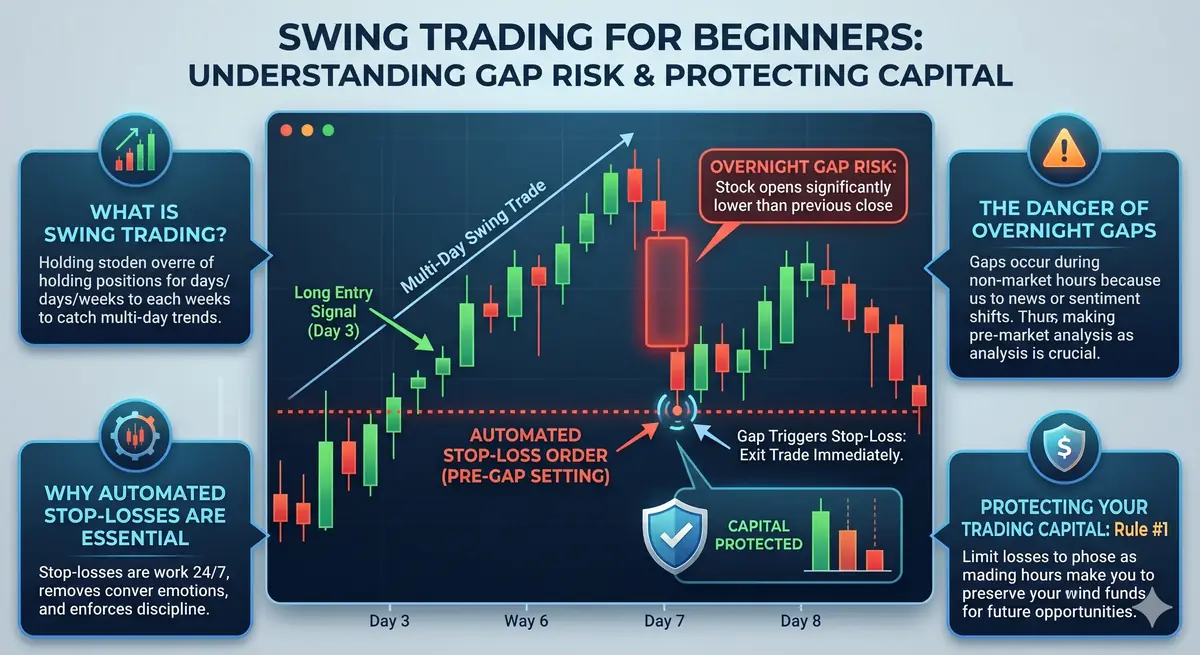
Swing trading for beginners means holding positions overnight — and that exposes trading capital to gap risk no manual trader can fully monitor. Learn the exact rules, position sizing framework, and automated tools that protect profits while markets are closed.
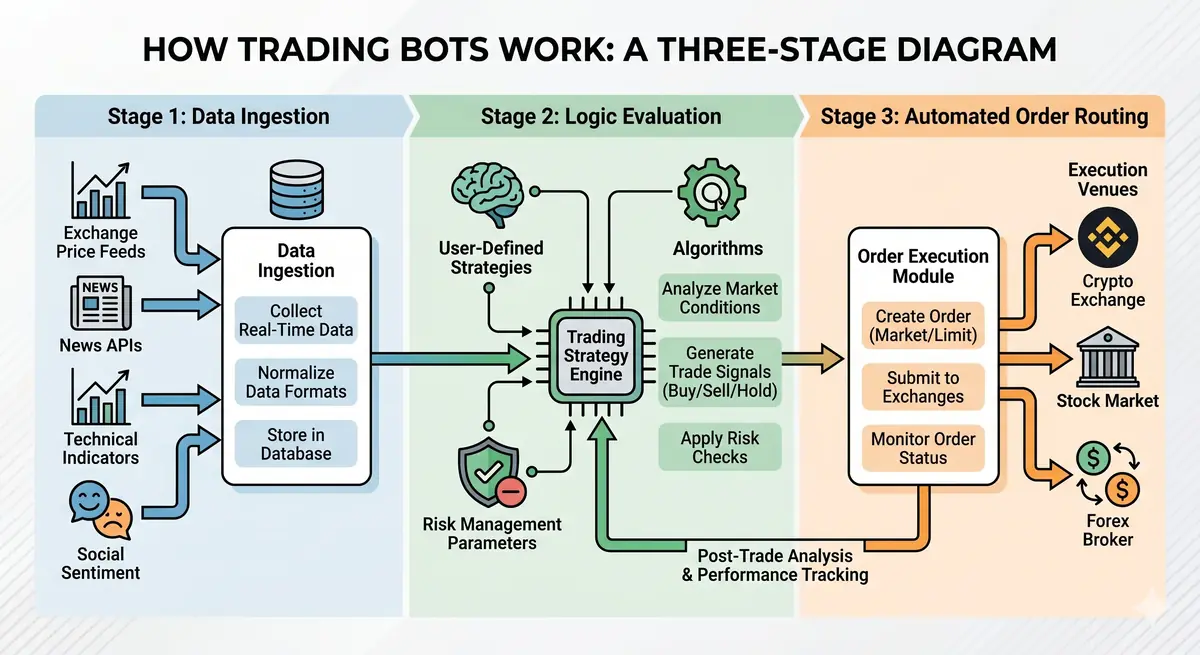
Trading bots don't generate profits automatically — they execute your rules with machine precision. This guide breaks down the three-stage architecture behind every automated trade: data ingestion, logic evaluation, and order routing. Understand the real mechanics before you deploy capital.
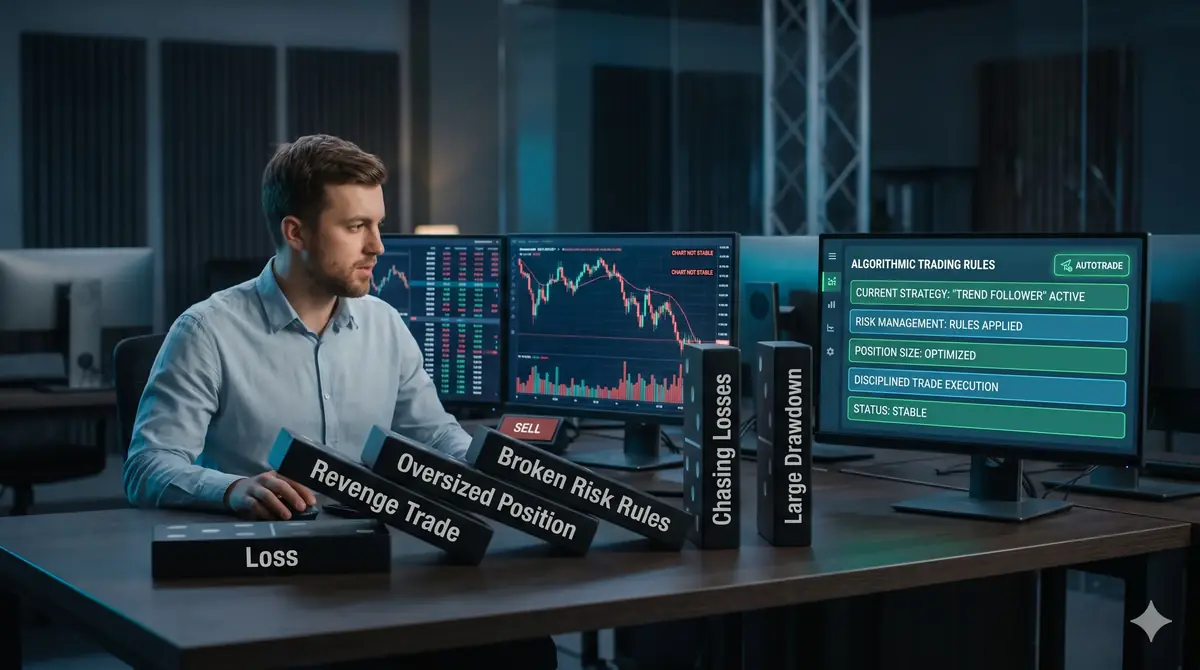
Many day traders attribute losses to a bad setup, but often, it's a single emotional decision that triggers a destructive chain reaction. Learn how to identify and prevent these cascades of costly mistakes.
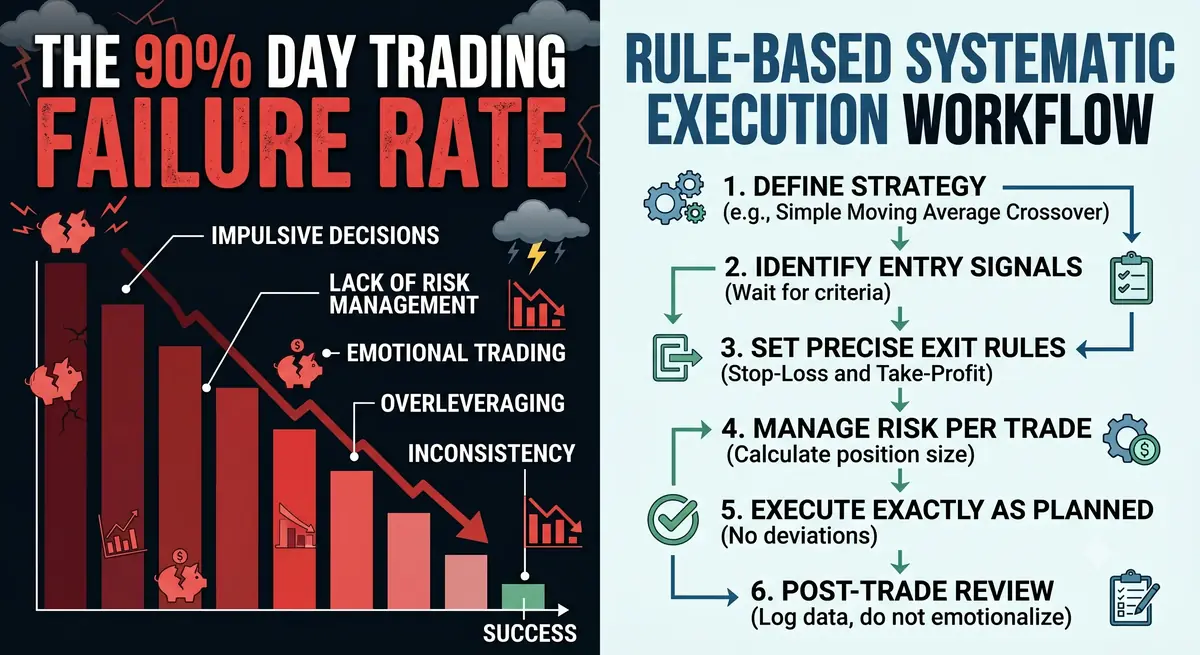
90% of day traders blow up their accounts—not from bad analysis, but from emotional execution. This post breaks down the real statistics behind the failure rate, the four psychological patterns that destroy retail traders, and how rule-based systems eliminate the human failure point entirely.
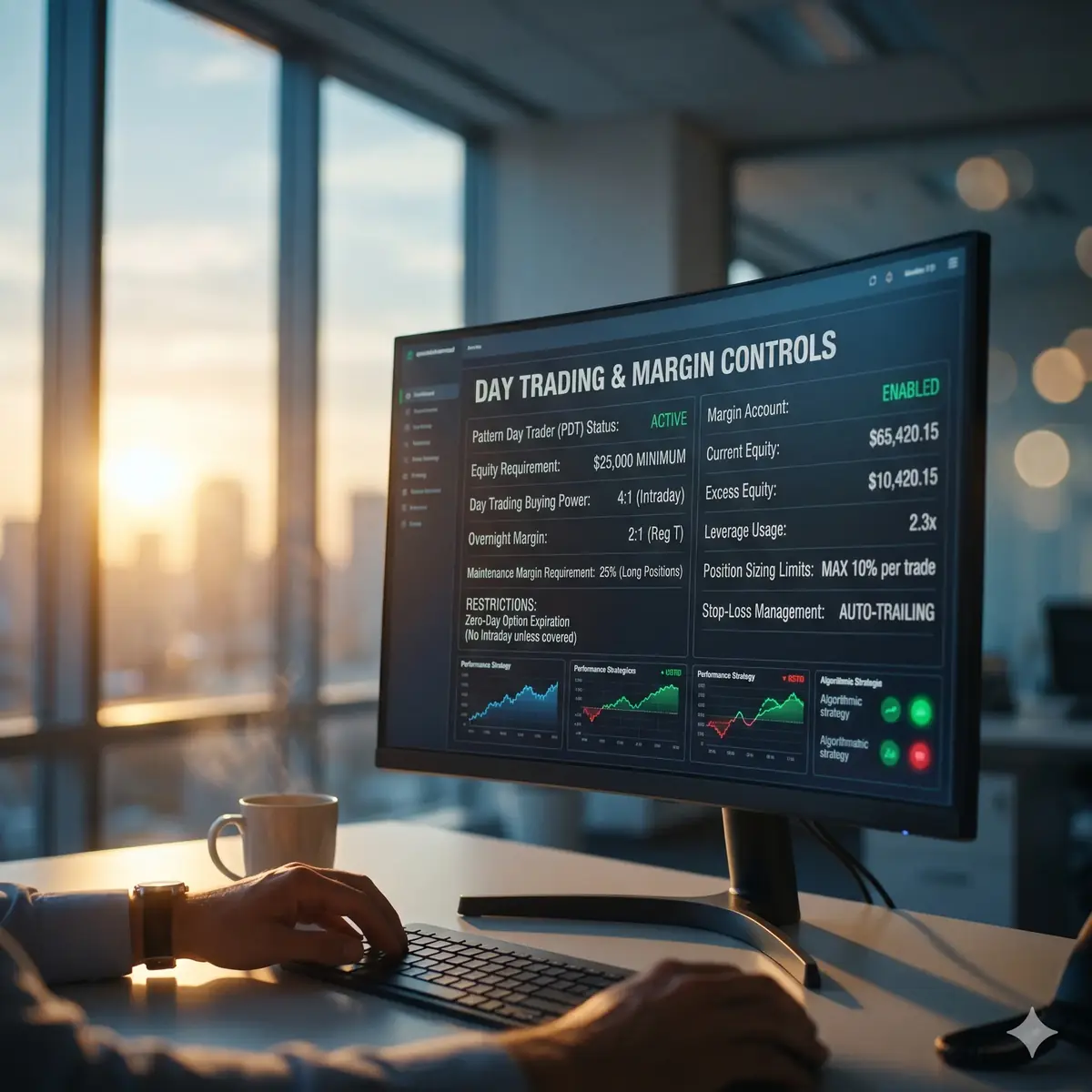
Day trading rules aren't just regulatory fine print — they're the operational backbone of every margin account that survives long-term. Here's how to build and automate a framework that enforces itself.
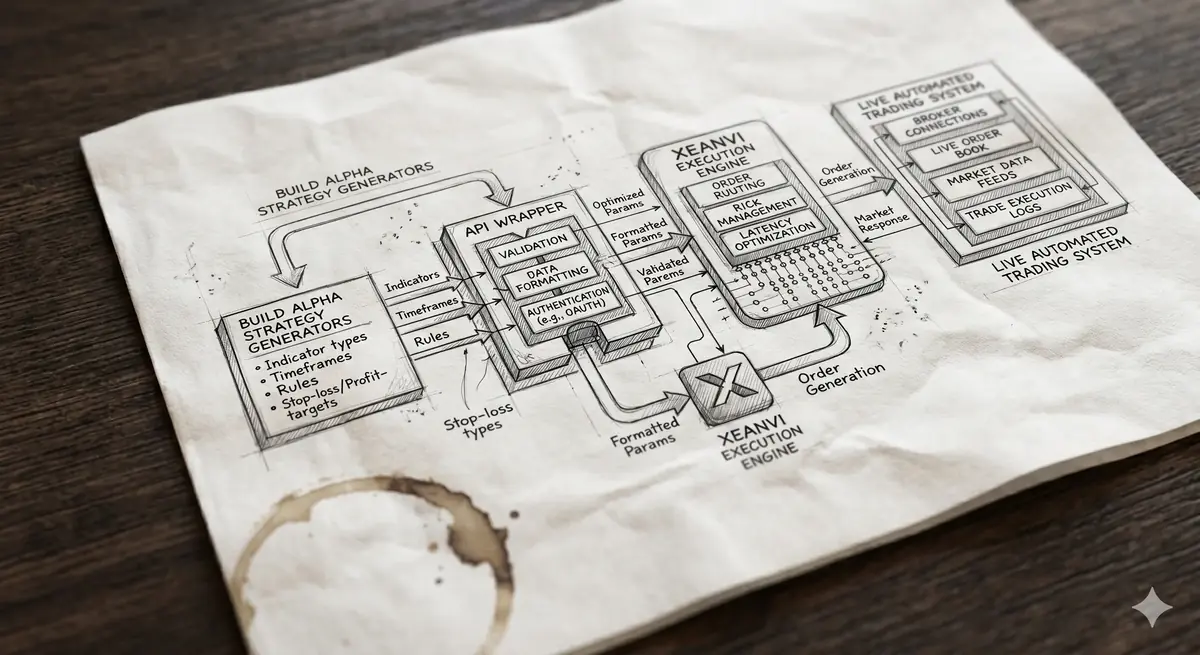
Build Alpha can surface powerful trading strategies fast — but a great backtest doesn't guarantee live performance. Learn how to filter overfit trading strategies, understand what an API does at execution, and deploy your rules safely through a transparent, rule-based platform like Xeanvi.
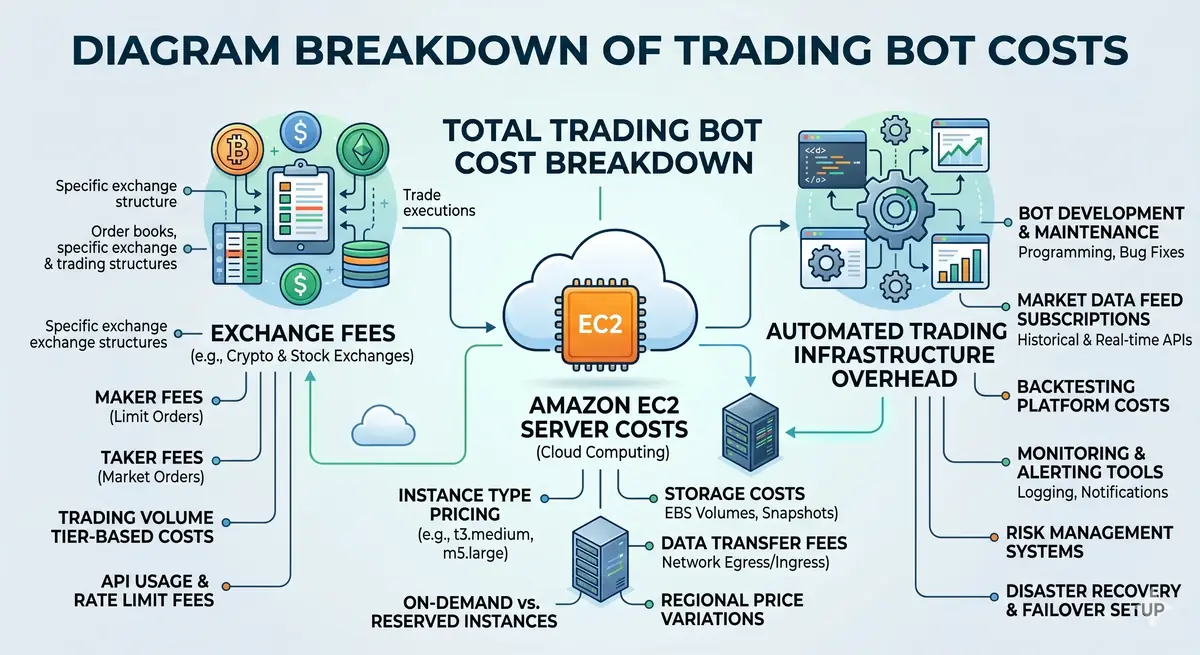
Most automated trading pitches lead with a headline price — and hide everything else. This breakdown exposes the real trading bot cost: cloud hosting, exchange fees, market data, and the risk controls generic bots skip.
The myth that day trading requires constant eyeballs on charts is quietly burning traders out. Discover why manual analysis breaks down under pressure, how the anxiety of an open position erodes discipline, and how automated day trading lets you set your rules and step away from the screen.
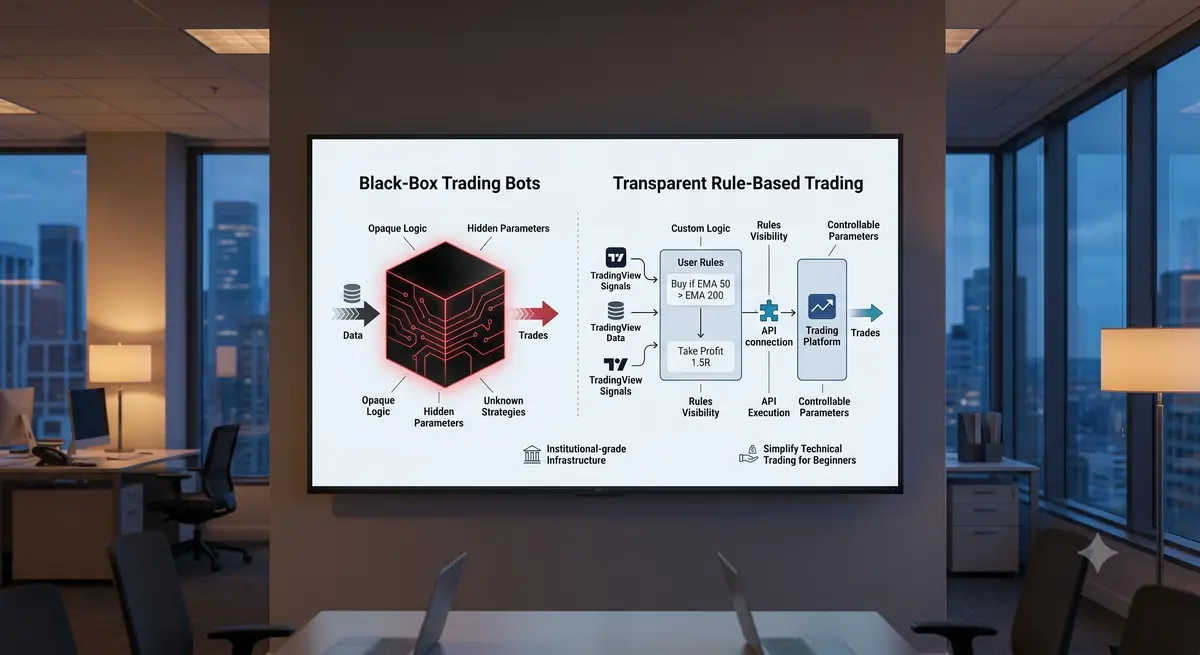
Trading bots move real money through your exchange accounts via API keys—but black-box systems hide the strategy controlling your capital. This guide explains how bots actually work, the danger of opaque crypto trading bots, and why transparent, rule-based automation keeps you in control.