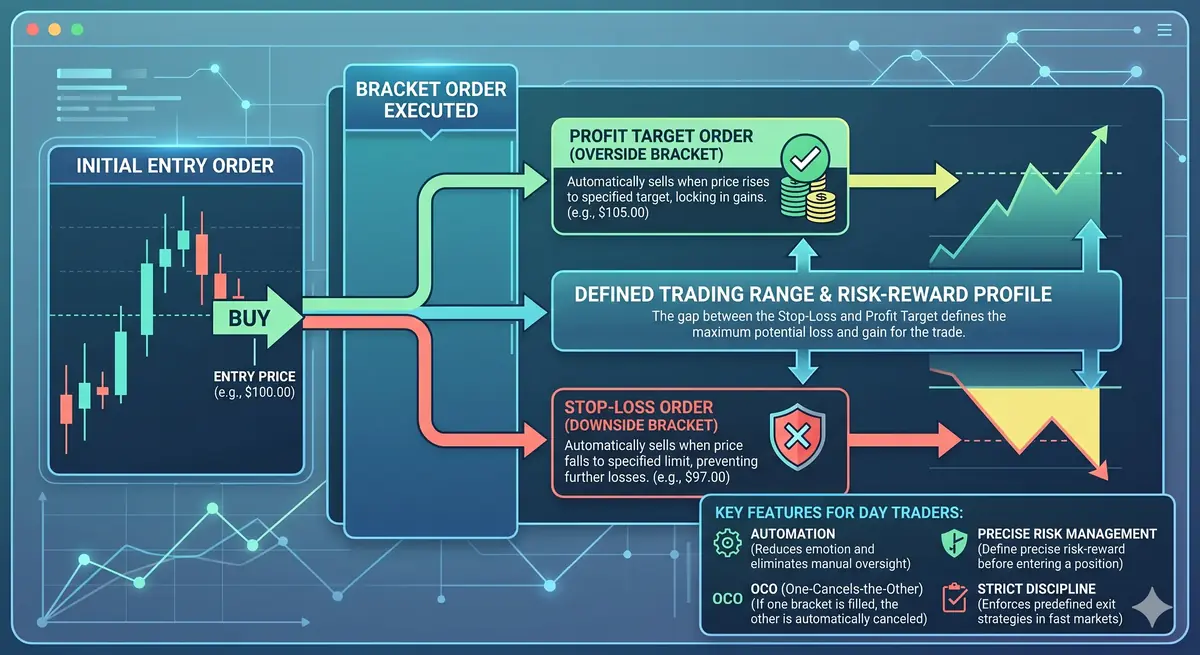
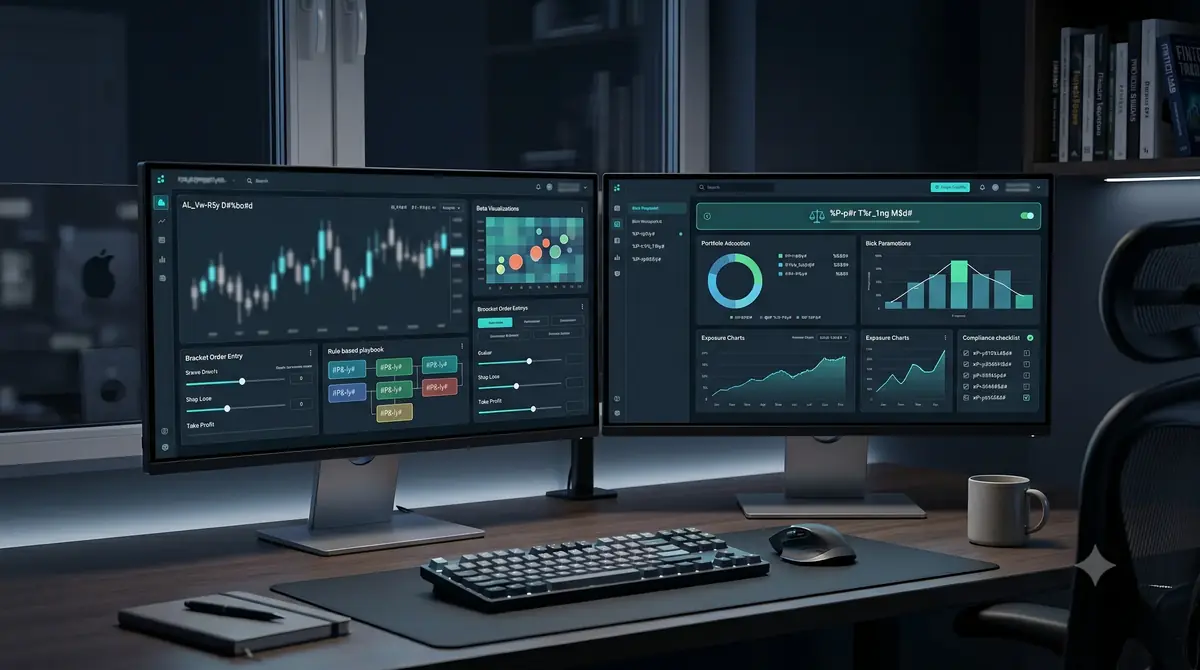
Bracket orders lock in your stop-loss and profit target the moment you enter a trade, removing emotional decision-making from your exits. Learn how this rule-based order type protects your account — and how Xeanvi puts transparent execution in your hands.
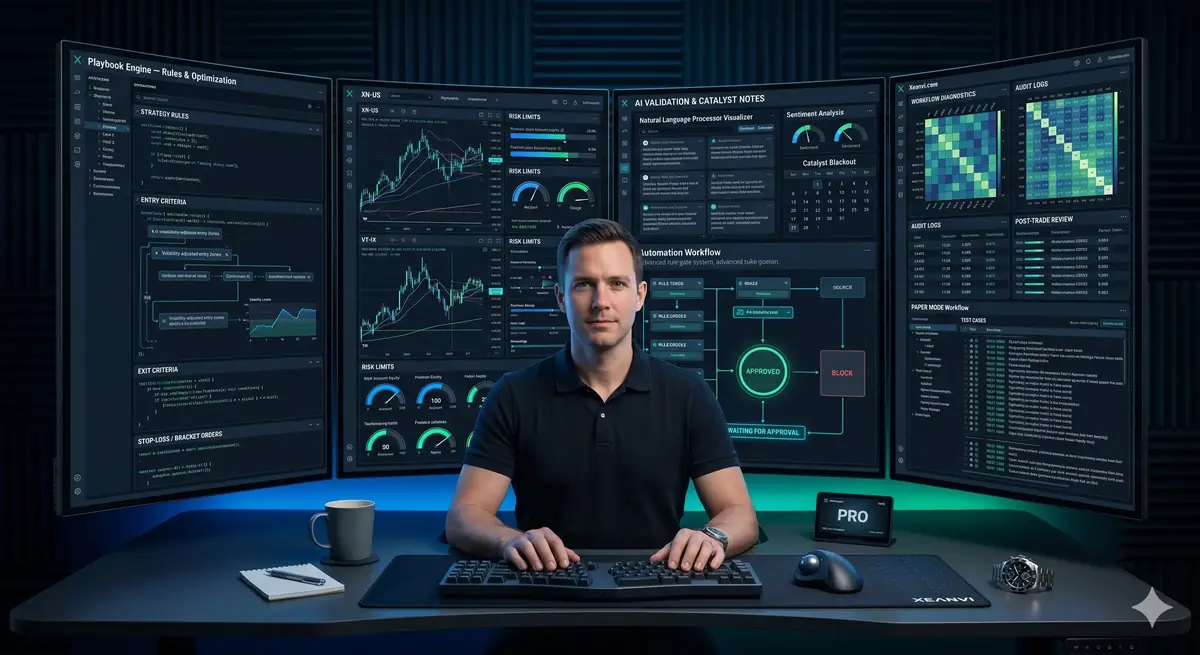
A trading playbook is the strict rules format every trader needs before touching automation. This guide breaks down the exact steps, real playbook examples, and why paper trading your setup first is non-negotiable — then shows how Xeanvi turns your written rules into transparent automated execution.
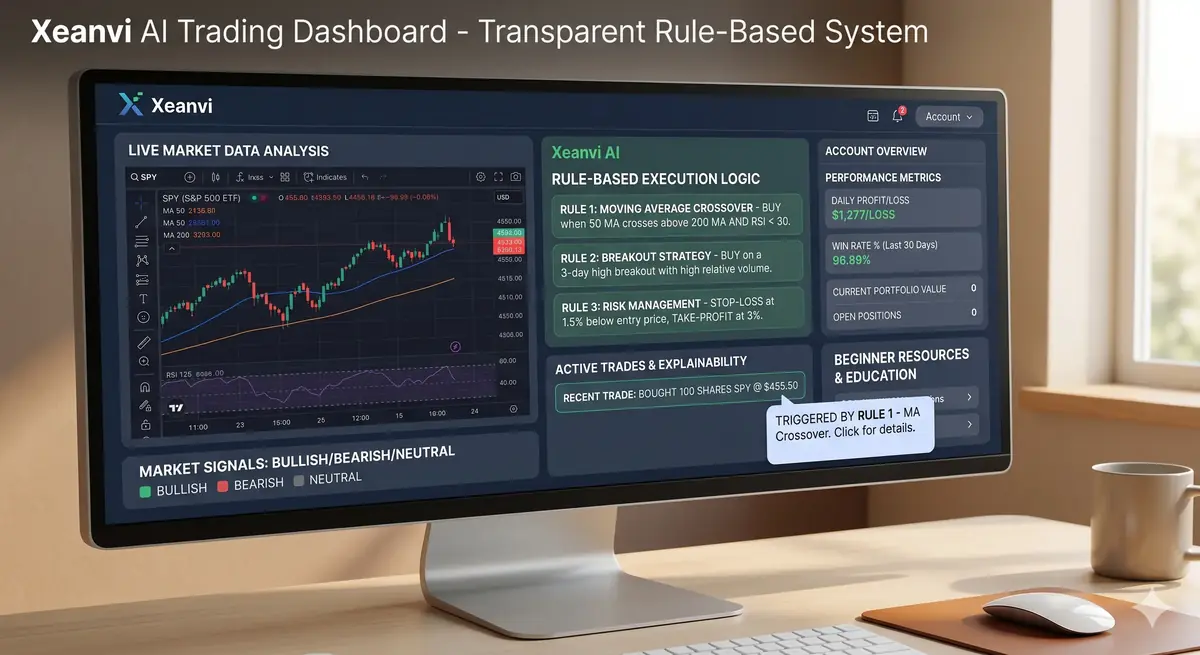
AI trading bots and agents don't work by magic—they work by
rules. This guide breaks down how AI trading systems process
market data, build inferences, and execute in plain English.
Because if you can't see the logic behind a trade, you can't
trust the platform placing it.
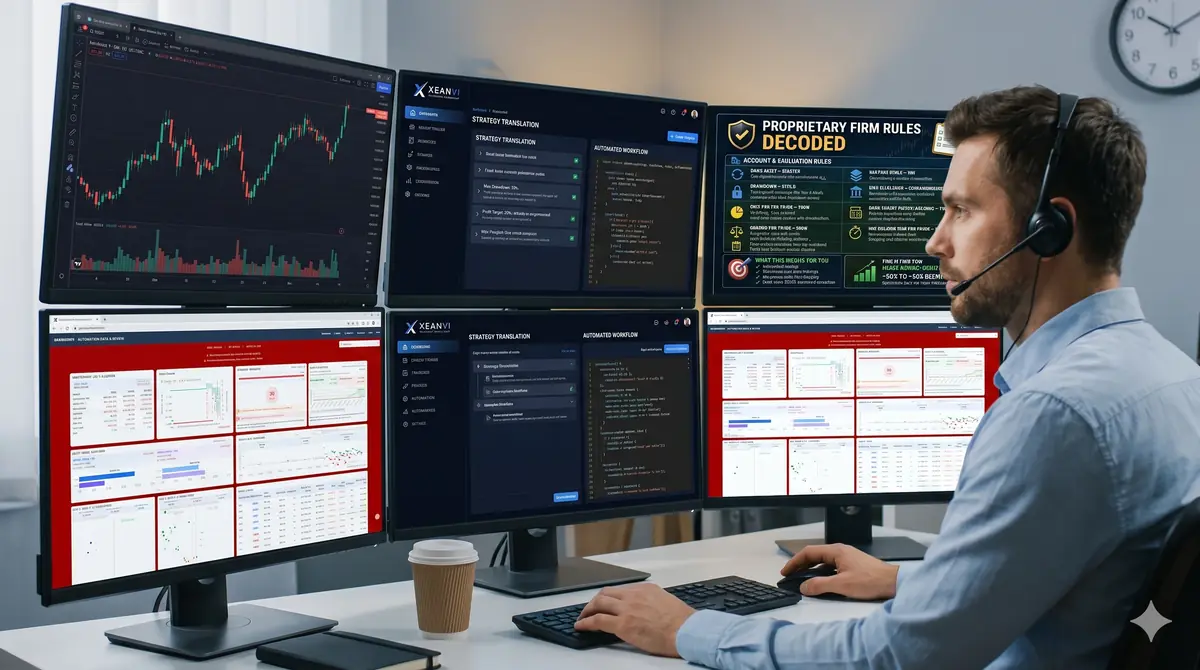
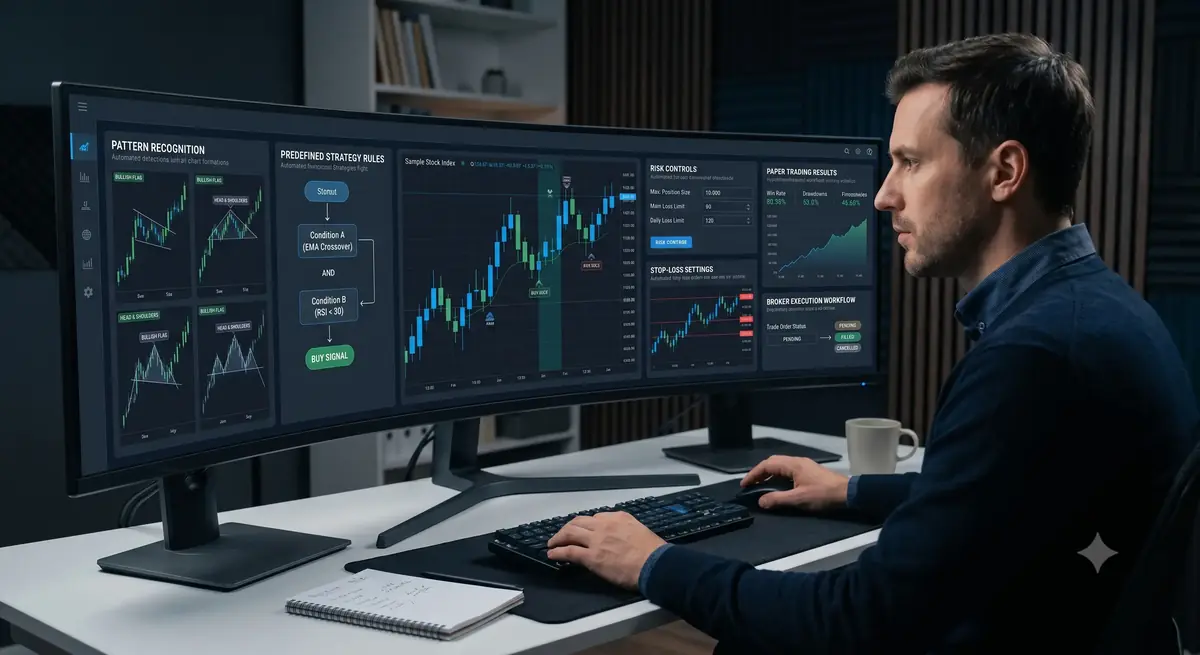
Manual trading breaks down when speed, emotion, and prop firm rules collide. This guide explains how day traders can use automation, data, risk management, and paper trading to improve execution discipline without relying on vague software promises or developer-heavy workflows. Start with rules.
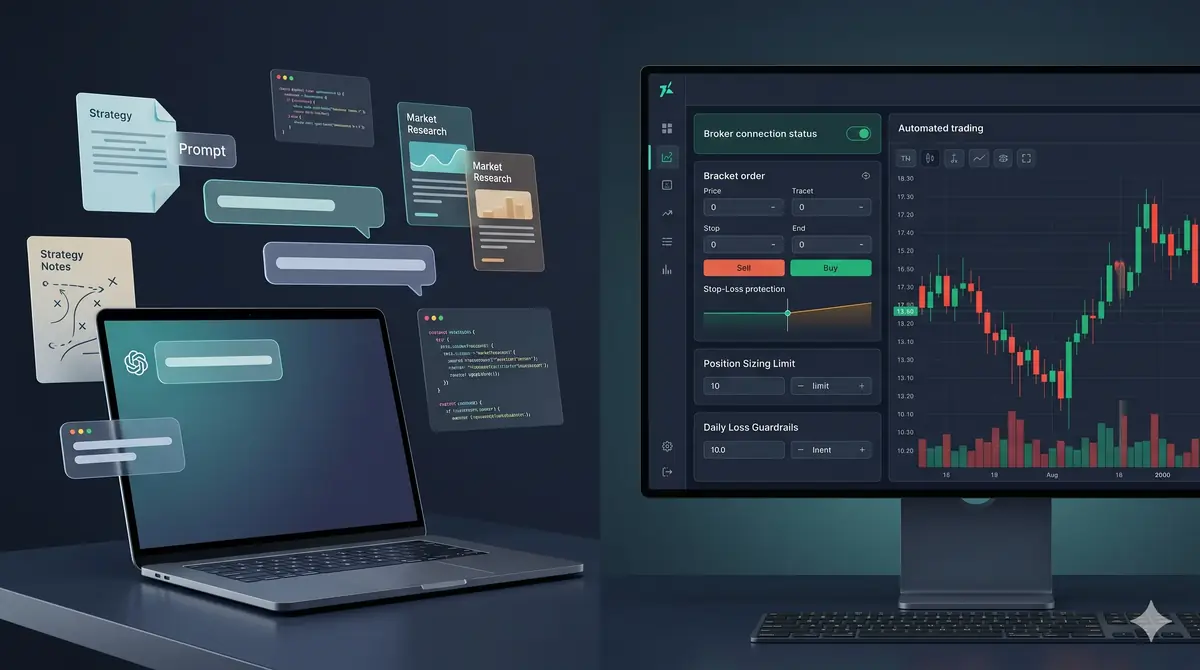
Many retail traders wonder if ChatGPT stock trading is possible. While powerful for analysis and strategy generation, ChatGPT lacks the direct execution capabilities and built-in risk management essential for navigating live markets.
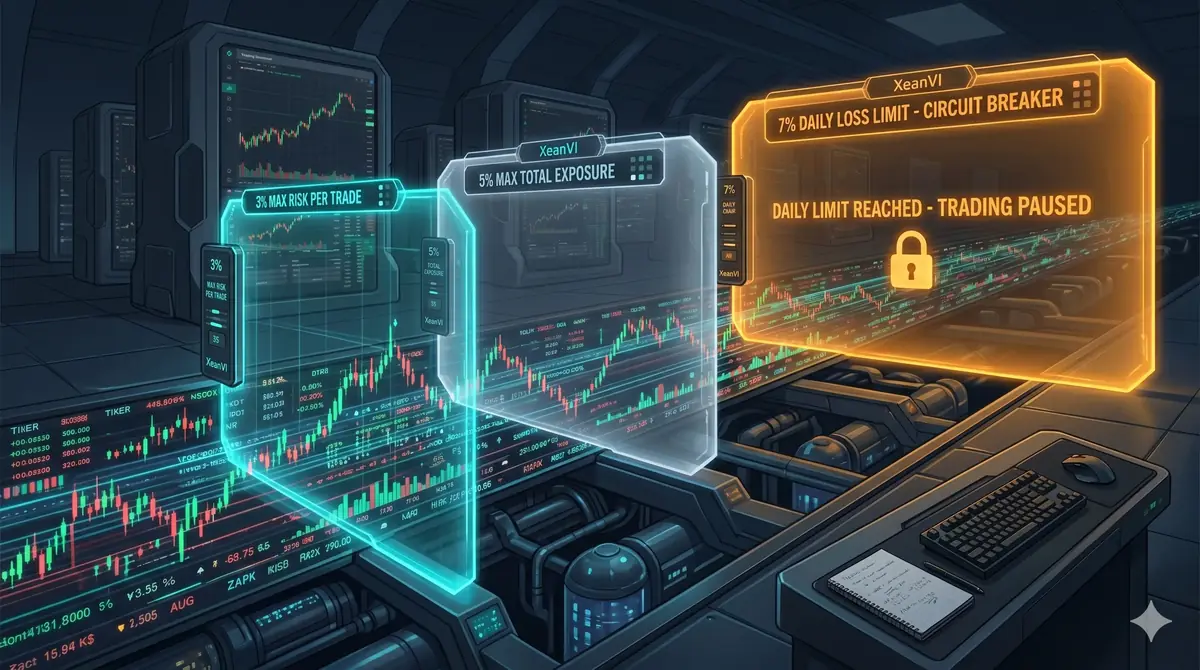
The 3-5-7 rule is a risk management framework designed to help day traders limit potential losses and maintain capital. Learn how this rule works and how automation can support disciplined trading.
Many day traders wonder whether it's illegal to use AI for day trading. For retail traders in the US, it isn't. The harder problem is finding tools transparent enough that you can see what they're doing.
The promise of AI automating stock trading sparks both excitement and skepticism. While AI offers powerful tools for data analysis and execution, understanding its true role and limitations is crucial for retail day traders.
A trading playbook helps day traders define their strategies, entry and exit rules, risk controls, and daily routines. This guide explains why a written playbook is essential for reducing emotional trading, improving consistency, and supporting disciplined execution.
Before deploying any rule-based trading strategy or refining your trading playbook, rigorous testing in a high-fidelity paper trading sandbox is not just recommended—it's essential. Understand how to validate your logic and workflow without risking actual capital.