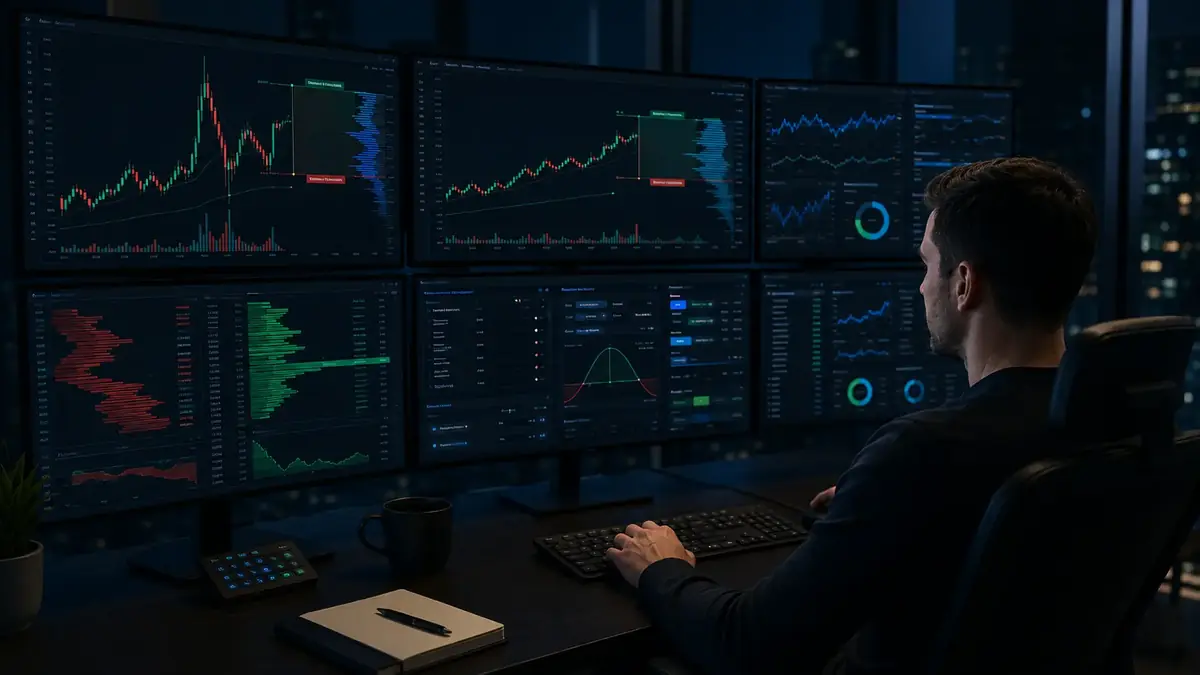
Share float is the number of publicly tradable shares available in a stock. For day traders, float can provide context for liquidity, volatility, supply and demand, and potential price movement. This guide explains how to use float analysis without relying on it as a standalone trading signal.
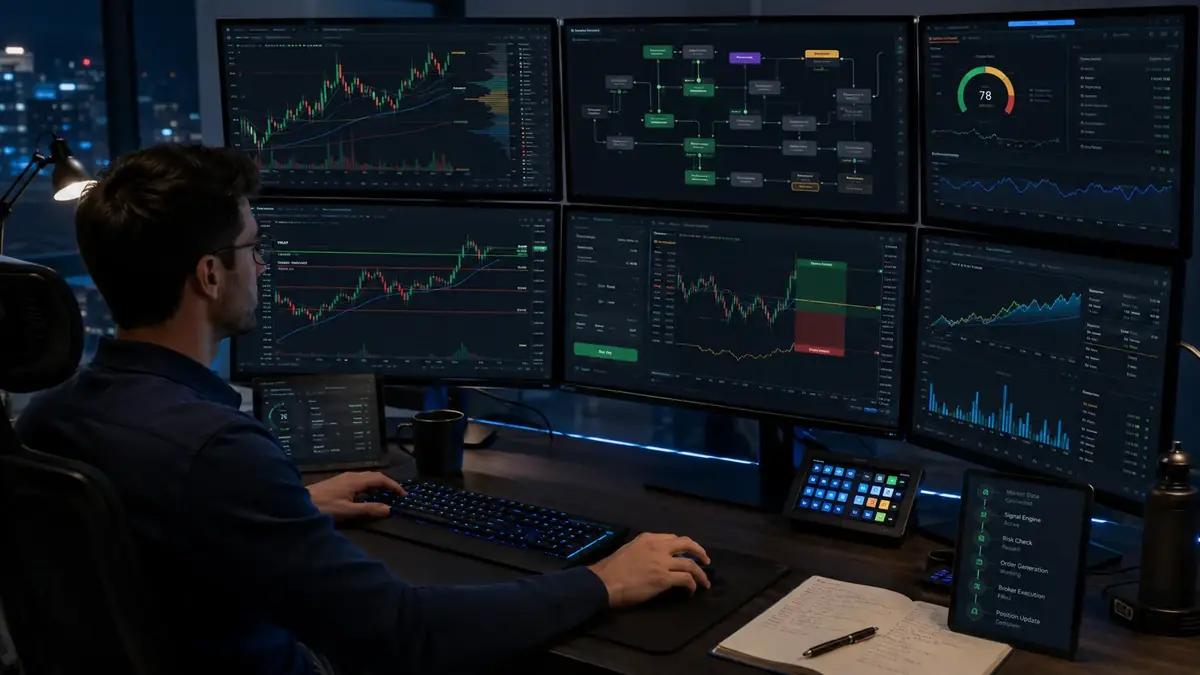
AI can help day traders follow predefined rules, automate execution, and test strategies more efficiently. This guide explains how traders can use AI as an assistant while keeping human judgment, risk management, and oversight at the center of every decision.
Automated trading platforms empower day traders with discipline and consistency. This guide details essential features: customizable playbooks, advanced order types, backtesting, broker integration, and risk management.
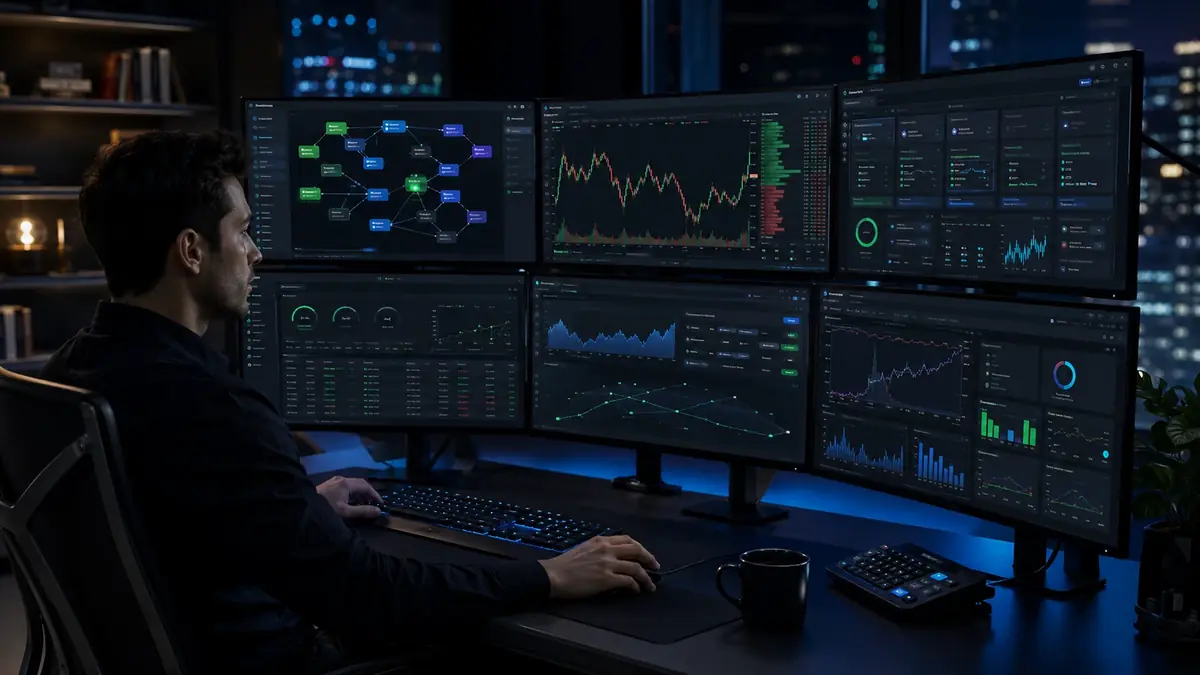
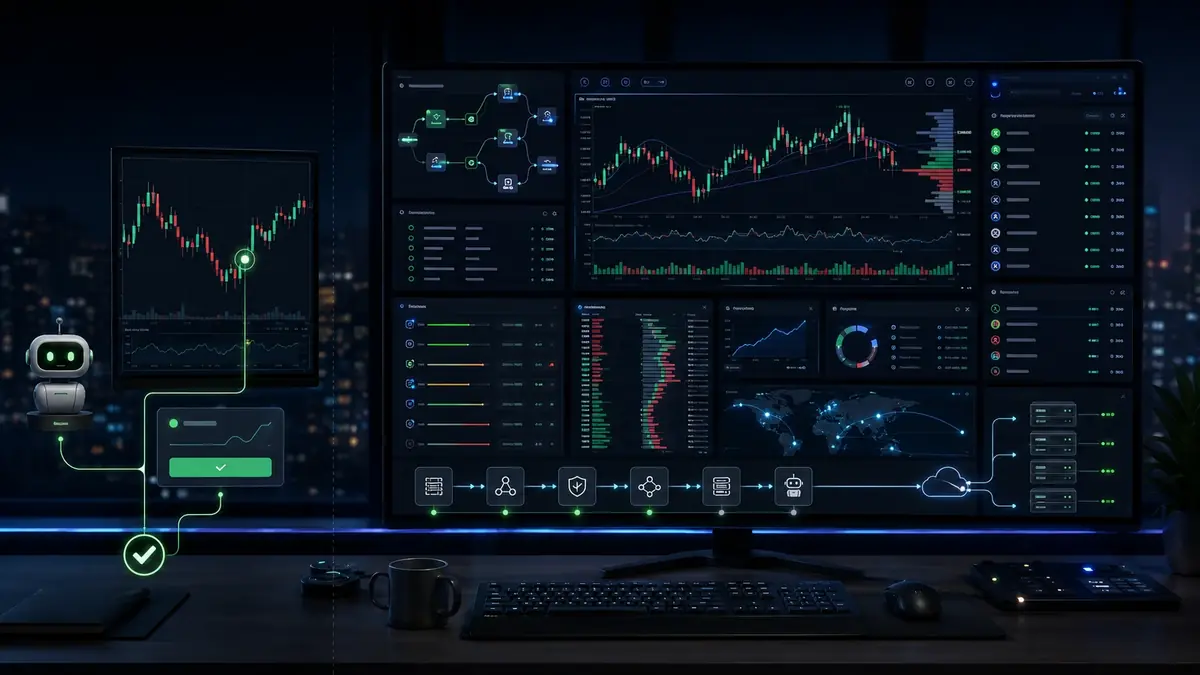
Understanding the distinction between a trading bot vs automation platform is crucial for traders. This guide explains how bots handle narrow tasks while platforms support complete trading workflows, risk management, and disciplined execution.
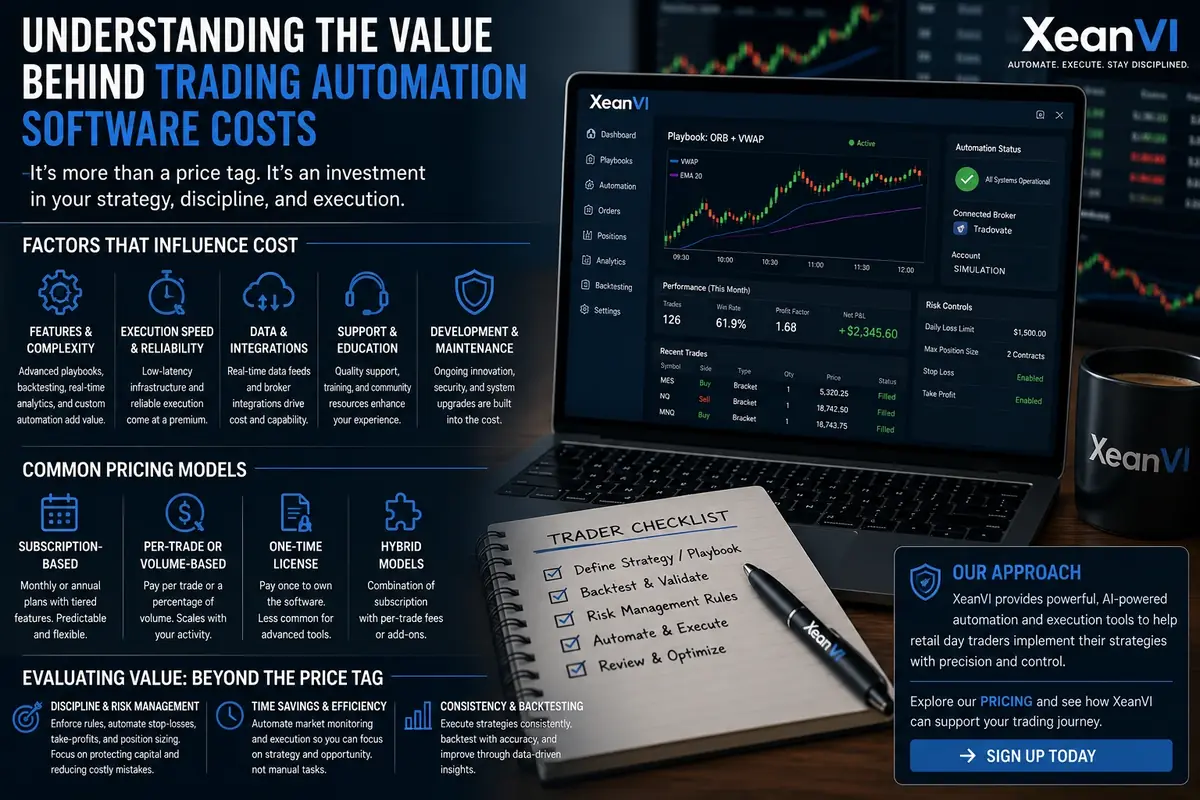
Trading automation software costs are more than a subscription price. This guide explains the key factors that influence pricing, including automation features, execution reliability, broker integrations, data access, support, and the value of disciplined trading workflows.
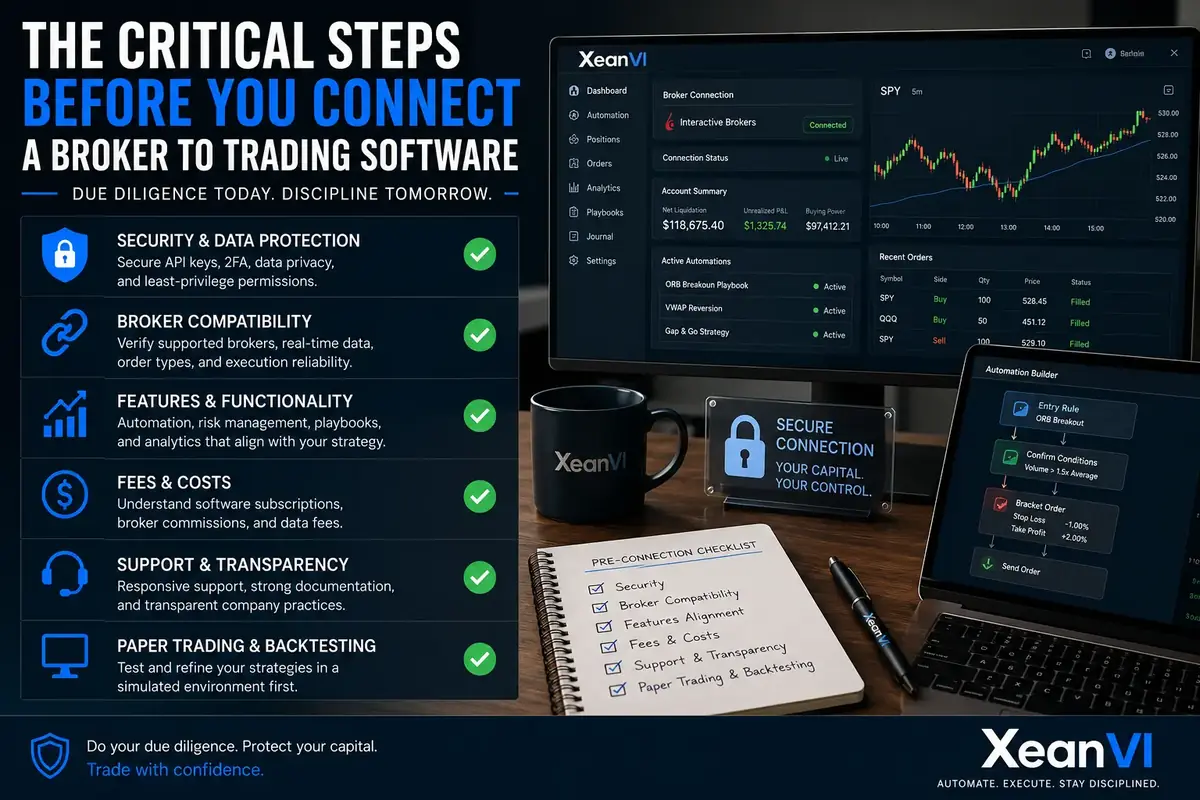
Before connecting a live brokerage account to trading software, traders need to evaluate security, API permissions, broker compatibility, execution reliability, fees, support, and testing tools. This guide explains the key due diligence steps to take before using automation with real capital.
A strong trading playbook only works when it is followed with discipline. This article explains how XeanVI helps retail day traders automate entries, exits, stop-losses, and take-profit rules so their strategy can be executed with more consistency and less emotional bias.